Medicinal Mushrooms for Dogs and Cats
The Ingredients I Would Develop and the Products I Would Choose
In this article 10 sections
- 1. Start with the studies in dogs and cats7 min
- 2. Ten ingredients and the forms I would work with2 min
- 3. Match the ingredient to the pet’s need2 min
- 4. Choose the process for the ingredient you want2 min
- 5. What I would ask before buying2 min
- 6. Safety questions that affect my choices1 min
- 7. What the market already offers1 min
- 8. My development priorities3 min
- 9. Before taking a product to market1 min
- What I want to contribute1 min
Research checked 6 November 2026.
I work with mushroom ingredients. Most of my daily questions concern species, cultivation, extraction, drying and testing. When I look at mushrooms for pets, I bring those questions with me: what is in the product, why was it made this way, and does that make sense for the animal eating it?
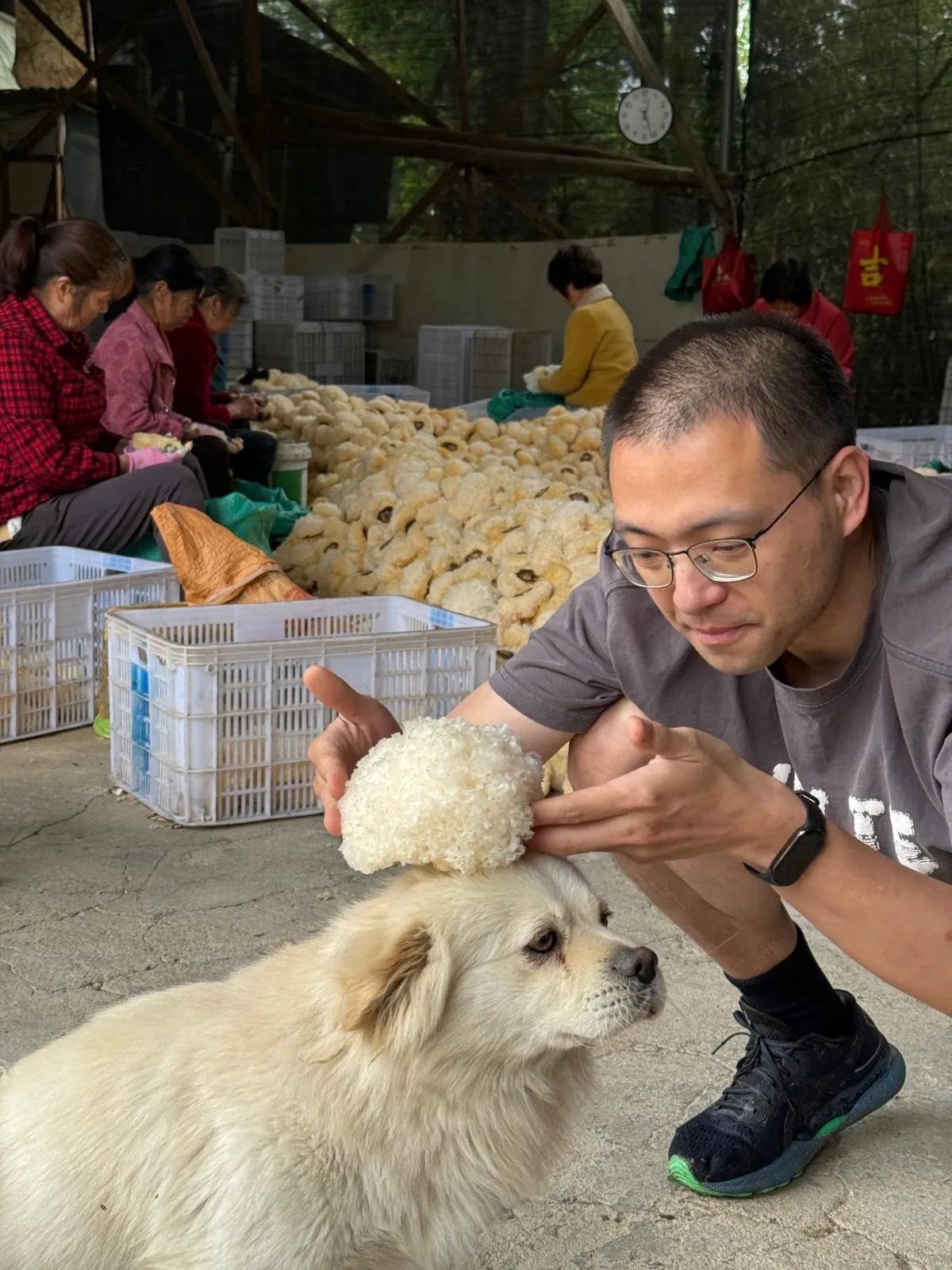
I see a worthwhile opportunity here. Reishi and turkey tail have a place in the discussion of gut and immune nutrition. Lion’s mane interests me for both digestion and behaviour. Shiitake powder deserves more attention for canine lipid nutrition, and tremella is one of the ingredients I most want to investigate for skin nutrition.
This article explains how I reached those judgments. I have put the studies, ingredient forms and development priorities into tables so that pet owners and people building a pet food business can find what matters to them quickly.
1. Start with the studies in dogs and cats
The research is uneven. There are feeding studies in healthy pets, a few trials in animals with disease, and a much larger body of work in rodents, human subjects and laboratory models. I read these separately because they answer different questions.
Here is the framework I use.
Category · Source of evidence · What it contributes
- ARepeated, well-designed controlled pet studies with meaningful clinical outcomesA strong foundation for a specific application
- BSmall pet trials and studies in healthy dogs or catsDirect information on the target species and the next questions to test
- CWhole-animal research in other speciesBiological mechanisms and promising development directions
- DCell experiments, chemical analysis and in vitro fermentationUnderstanding of compounds, processes and possible mechanisms
- EPersonal experience, traditional use and commercial claimsObservations and ideas to investigate
I use these categories to organise my reading. Within each paper, I look at the animals, the actual preparation, the comparison group and the outcome measured.
The pet studies worth reading first
| Ingredient and study | Animals and design | Main result | My reading |
|---|---|---|---|
| Turkey tail PSP product, 2012 [1] | 15 dogs with splenic haemangiosarcoma; three dose groups | Encouraging exploratory survival signal | An interesting pilot with five dogs per group and no placebo/chemotherapy comparison |
| Same named PSP product, 2022 [2] | 101 dogs; PSP alone or doxorubicin with PSP/placebo | Adding PSP to chemotherapy did not improve survival | The later result is essential when discussing the earlier study |
| Reishi, 2024 [3] | 40 healthy beagles; randomized feeding study; 28 days | Higher vaccine-specific IgG at the highest tested level; other immune measures included trends | A useful starting point for canine immune nutrition |
| Lion’s mane, 2022 [4] | 18 older dogs; 16 weeks | Changes in gut microbial composition | Direct canine gut-nutrition research |
| Lion’s mane versus valerian, 2025 [5] | 20 dogs; ten per extract; four weeks; no placebo | Limited behavioural and physiological changes | An early lead for behaviour research |
| Lion’s mane and hair minerals, 2026 [6] | Eight anxious dogs treated; 21 healthy comparison dogs | Anxiety scores fell; most hair minerals remained stable | Exploratory behavioural and biomarker work |
| Maitake PETfraction, 2007 [7] | 15 dogs with lymphoma; uncontrolled | No objective tumour responses | An unsuccessful stand-alone lymphoma trial |
| Shiitake, bromelain and quercetin, 2023–2024 [8] [11] | Reports involving 30 healthy dogs and a blend | Changes in faecal markers and microbiota | Evidence for the combined formulation; do not automatically count the reports as independent replications |
| Shiitake powder, 2024 [12] | Eight dogs, four per group; four weeks | Lower total cholesterol and changes in antioxidant-related measures | Small study, with no improvement in body weight or condition score |
| Isulsongi shiitake, 2025 [13] | Ten Maltese dogs in adult/senior groups; nine weeks | Lipid measurements changed over time | An age-comparison study without a robust untreated control |
| Isulsongi shiitake, 2026 [14] | 18 Maltese dogs; control and two supplementation groups; nine weeks | Serum lipid profiles changed | A useful controlled follow-up |
| Mushroom extracts plus colostrum, dogs, 2026 [9] | 20 healthy dogs; randomized, blinded, placebo-controlled; 12 weeks | Higher faecal short-chain fatty acids and selected microbial changes | Relevant to the tested blend and gastrointestinal nutrition |
| Mushroom extracts plus colostrum, cats, 2026 [10] | 20 healthy cats; randomized, blinded, placebo-controlled; 12 weeks | Modest microbial/metabolite changes and lower triglycerides | Valuable feline data; stool characteristics remained unchanged |
Turkey tail teaches an important lesson
The 2012 study used I’m-Yunity after splenectomy. The highest-dose group had a median survival of 199 days, although the survival curves between dose groups were not significantly different. [1]
The 2022 study was larger. Owners selected PSP alone or chemotherapy; dogs receiving doxorubicin were then blindly randomized to PSP or placebo. Adding PSP brought no survival benefit. The poorer survival observed in the female PSP-alone subgroup also needs to be read in light of that owner-selected allocation. [2]
My conclusion is straightforward: a discussion of turkey tail and canine cancer must include both papers. I remain interested in turkey tail for nutrition research; these results give me no basis to promise longer survival or replace oncology treatment.
PSP is a preparation with an identity
This is where manufacturing matters. The 2012 paper describes COV-1 mycelium and a proprietary fractionation process. A supplier selling ordinary turkey tail extract needs to explain how its material relates to that preparation.
Historical descriptions associate PSP with COV-1 mycelium and alcohol precipitation after hot-water extraction. PSK is associated with CM-101 mycelium and ammonium-sulphate salting out from the hot-water extract. Extraction and fractionation are separate steps. [15]
I want strain records, culture details, the process flow and appropriate compositional data before treating two materials as equivalent. A beta-glucan number by itself leaves most of those questions unanswered. Licensing and authorisation claims should likewise come with documents for the relevant material and market.
Reishi gives us a useful canine starting point
The 40-beagle study found a greater rabies-vaccine-specific IgG response at the highest tested level. Other immune findings included statistical trends. The dogs remained healthy, and the work provides practical information on feeding and immune measurements. It was industry-funded. [3]
For me, that is a good reason to investigate a defined reishi ingredient further, choosing an outcome that matters to the intended product.
Lion’s mane offers two distinct opportunities
The older-dog feeding study makes lion’s mane interesting for gut nutrition. The behavioural studies open another direction: the 2025 trial reported improvement in two of 15 behavioural signs within the lion’s mane group, while the small 2026 study followed anxiety scores and hair minerals. Neither included an anxious placebo group. [4] [5] [6]
My plan is to treat gut nutrition and older-dog cognition or behaviour as separate projects. They require different assessments and potentially different preparations.
The chemistry supports that approach. Analytical studies have quantified erinacine A in mycelium and hericenones in fruiting bodies, with production influenced by tissue, strain and culture conditions. I want those compounds measured directly when they are the target of the project. [16] [17]
Why I want maitake powder in the comparison
The maitake PETfraction lymphoma trial found no objective tumour responses; 13 of the 15 dogs progressed before week four. Two cases of bleeding into the eye were also reported, with an uncertain relationship to treatment. [7]
My own interest in maitake goes further than that particular extract. After eating maitake powder, or freshly cooked maitake, I have noticed a marked improvement in my bowel movements the following day when I was constipated. This experience is one reason I want to look more closely at the whole fruiting body.
Maitake also has relevant fermentation research. A 2021 study examined an ethanol/water extract with probiotic bacteria and colorectal cell models; a 2024 study used a reconstructed human gut microbial community. [18] [19]
I want to compare fruiting-body powder, its fibre fractions and extracted preparations for fermentation and stool effects. The whole powder deserves a fair place in that work.
Shiitake is another reason to take powder seriously
The 2024 eight-dog study found lower total cholesterol and changes in antioxidant-related measures after feeding shiitake powder. Body weight and condition score did not improve. [12]
The Isulsongi papers add two different designs: ten Maltese dogs in age groups in 2025, followed by a 2026 study of 18 dogs with a control and two supplementation groups. Both focused on lipid measurements. [13] [14]
I would begin this development route with properly processed shiitake powder and compare it with relevant extracts. Eritadenine and the broader nutritional composition are useful questions here. Lentinan-focused development calls for a separately defined polysaccharide preparation.
2. Ten ingredients and the forms I would work with
This is how I connect the research with ingredient manufacturing.
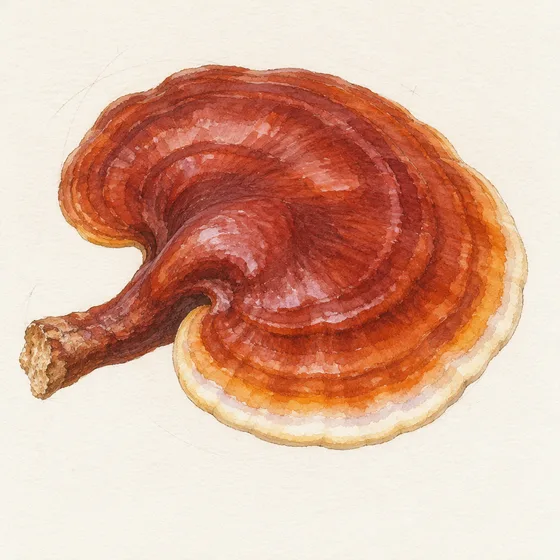 ReishiGanoderma spp.
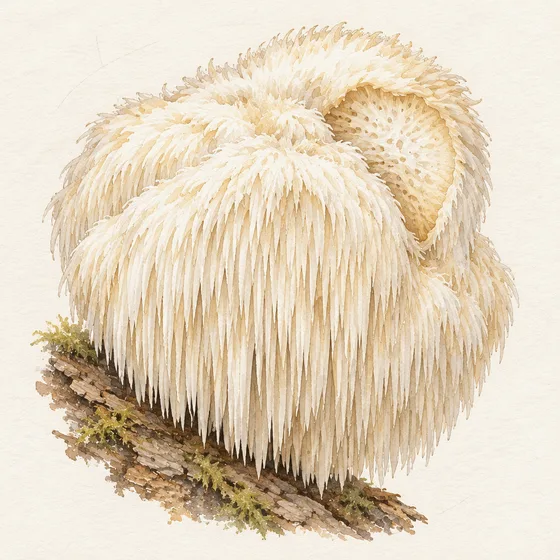 Lion’s maneHericium erinaceus
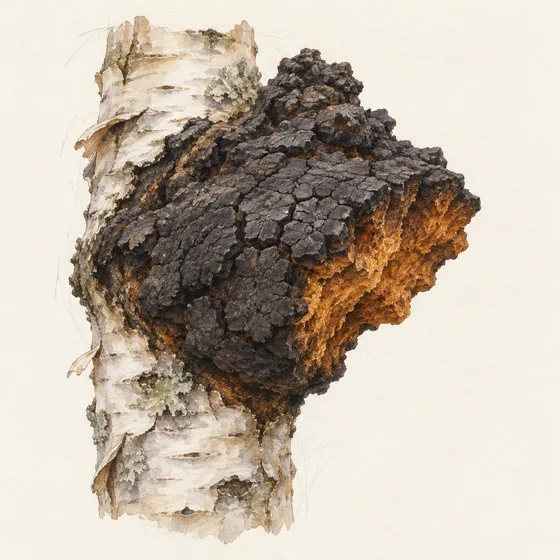 ChagaInonotus obliquus
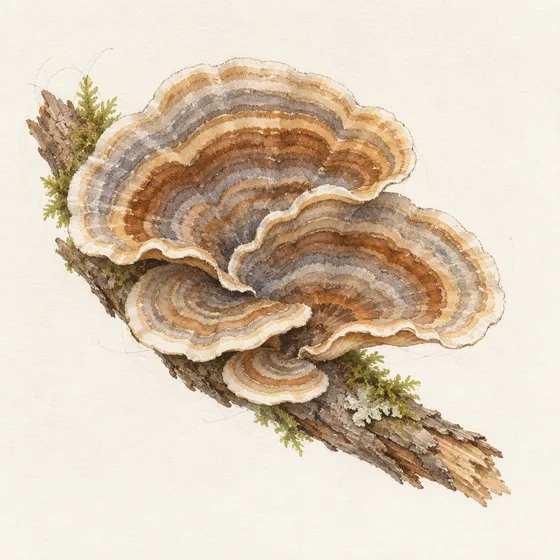 Turkey tailTrametes versicolor
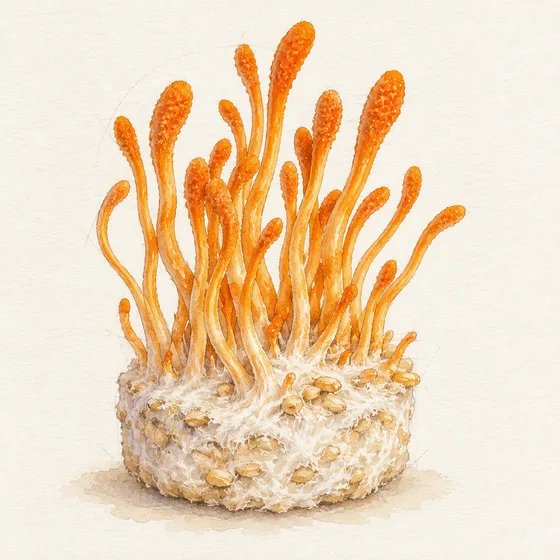 Cordyceps militaris
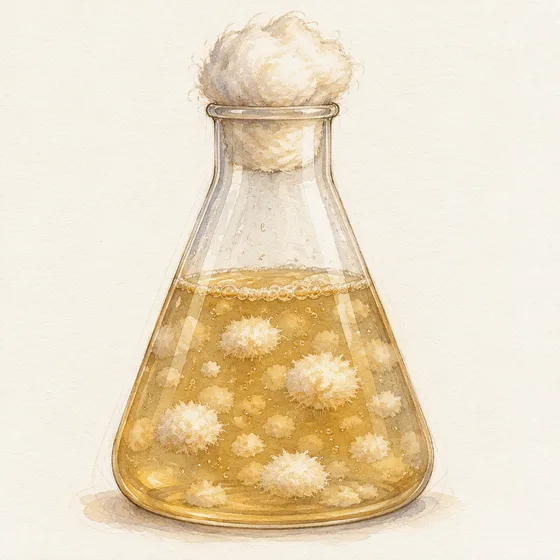 Paecilomyces hepialimycelium
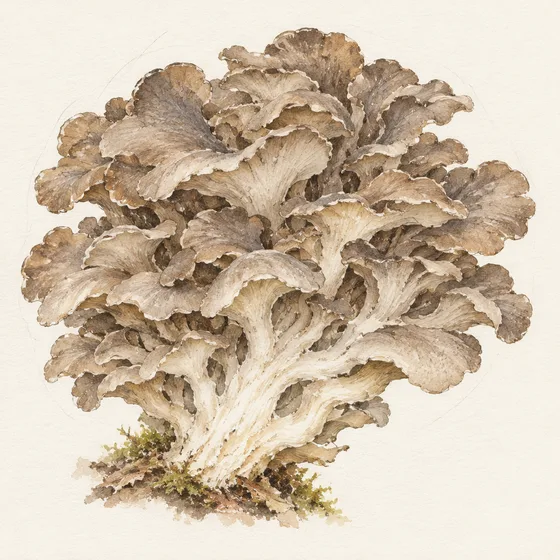 MaitakeGrifola frondosa
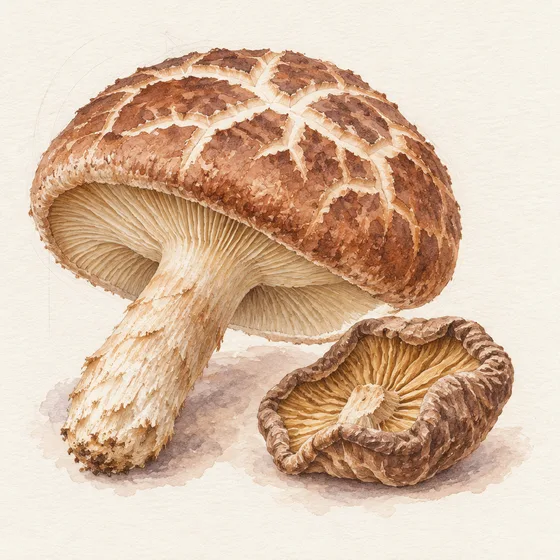 ShiitakeLentinula edodes
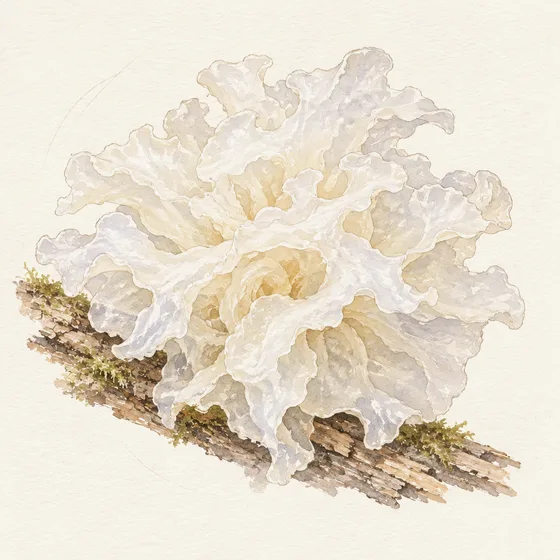 TremellaTremella fuciformis
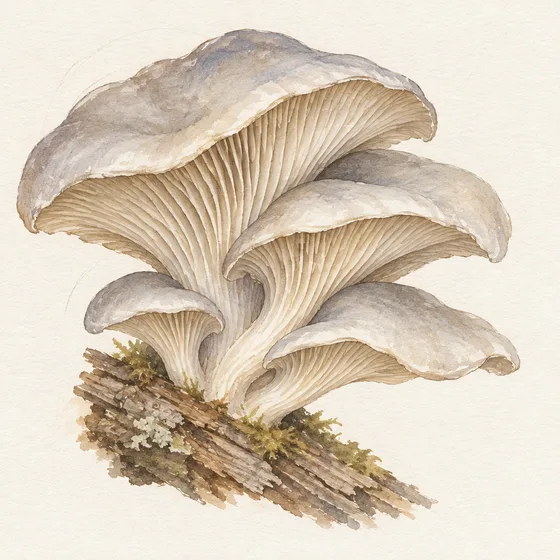 Oyster mushroomPleurotus ostreatus
| Material | Components of interest | Preparation to compare | Where I see an opportunity |
|---|---|---|---|
| Reishi, Ganoderma spp. | Beta-glucans, other polysaccharides, ganoderic acids and related triterpenes | Defined water extract; separate ethanol fraction for triterpene work | Gut and immune nutrition |
| Lion’s mane, Hericium erinaceus | Polysaccharides, hericenones and erinacines | Water extract; characterised fruiting-body and mycelial preparations | Gut nutrition and a separate behaviour/cognition project |
| Chaga, Inonotus obliquus | Heteropolysaccharides, phenolic/melanin complexes and triterpenes | Identified sterile-conk material or defined fractions, with oxalate testing | Composition and safety work before launch |
| Turkey tail, Trametes versicolor | Beta-glucans, protein-associated polysaccharides, specific PSP/PSK preparations | Traceable water extract or defined cultured-mycelial fraction | Gut and immune nutrition, with preparation identity made clear |
| Cordyceps militaris | Cordycepin, adenosine, other nucleosides, polysaccharides and trehalose | Fruiting-body powder and defined water extracts | Nucleoside-focused development after feeding-safety work |
| Paecilomyces hepiali mycelium | Strain-dependent mycelial/extracellular polysaccharides and nucleosides | Liquid-fermented biomass and separately defined broth fractions | A traceable fermented-mycelial ingredient |
| Maitake, Grifola frondosa | Fibre, beta-glucans and defined fractions such as D-fraction | Fruiting-body powder versus characterised extracts | Gut fermentation and stool-quality research |
| Shiitake, Lentinula edodes | Eritadenine, lentinan, fibre and other nutritional constituents | Processed fruiting-body powder; defined fractions for separate targets | Canine lipid nutrition |
| Tremella, Tremella fuciformis | Acidic heteropolysaccharides, including mannose-rich structures | Characterised water-soluble polysaccharides | Skin-barrier and gut research |
| Oyster mushroom, Pleurotus ostreatus | Cell-wall glucans, pleuran-type fractions and fibre | Fruiting-body powder versus extracted fractions | Fibre and fermentation research |
The ingredient choices draw on the pet studies above and preparation-specific chemistry research. [16] [17] [20] [21] [22]
For fermented mycelium, my intended route is Paecilomyces hepiali grown by submerged liquid fermentation. Recent taxonomic literature also uses Samsoniella hepiali. The strain identity belongs in the ingredient records. [23]
Harvested mycelium, dried whole broth, extracellular-polysaccharide fractions and grain-grown biomass have different compositions. Separation, washing, drying and testing determine what reaches the finished product. I want that composition stated clearly, together with the actual species, rather than hidden under the loose name “cordyceps.”
3. Match the ingredient to the pet’s need
Dogs
| Need | Ingredients I would investigate | First development question | Evidence to build on |
|---|---|---|---|
| Digestive sensitivity or variable stool quality | Reishi, turkey tail, lion’s mane; maitake/oyster powder comparisons | Which preparation gives useful stool and tolerance outcomes? | Healthy-dog feeding and microbiota studies |
| Behaviour or age-related cognitive changes | Lion’s mane | Which preparation and assessment can show a meaningful change? | Preliminary canine behavioural studies |
| Skin-barrier nutrition | Tremella; reishi as a separate question | Can a defined polysaccharide preparation improve relevant skin measures? | Tremella mouse-dermatitis research [24] |
| Abnormal lipids and weight-management research | Shiitake; exploratory maitake/oyster comparisons | Effects on fasting lipids, intake and body condition | Direct shiitake studies in dogs |
| Immune nutrition | Reishi and turkey tail | A relevant immune outcome at a defined intake | Reishi canine immune-response work |
| Nutrition during cancer care | A preparation-specific, veterinarian-led project | Compatibility with treatment and meaningful clinical outcomes | Read both the positive signals and negative trials |
Tremella is particularly interesting to me. The 2022 mouse study reported improvements in skin-barrier and inflammatory measures in an induced dermatitis model. That gives me a concrete reason to investigate a characterised tremella ingredient in dogs. [24]
Cats
| Need | Direction I would investigate | What a cat-specific project should address |
|---|---|---|
| Digestive nutrition | Defined mushroom extracts | Palatability, daily intake, stool quality and individual ingredient contributions |
| Older-cat nutrition | Reishi and lion’s mane | Tolerance and useful age-related outcomes |
| Lipid metabolism | Defined shiitake or other candidate material | Feline feeding data and relevant lipid endpoints |
| Skin and coat nutrition | Tremella polysaccharides | A practical formulation and direct feline evaluation |
| Kidney disease or urinary-stone risk | Veterinary assessment before ingredient selection | Oxalate exposure and mineral considerations; chaga is low on my list |
| Cognitive or behavioural changes | Lion’s mane | Feline efficacy and safety data |
The 2026 cat trial used three mushroom water extracts with bovine colostrum. Stool characteristics stayed unchanged; triglycerides fell, while selected microbial metabolites rose. Serum IgA and blood urea nitrogen showed treatment-by-time interactions. I read it as useful early feline feeding data with mixed findings. [10]
A cat formula needs its own work on smell, taste, wet-food mixing, intake and composition. I would develop it separately from the dog formula.
4. Choose the process for the ingredient you want
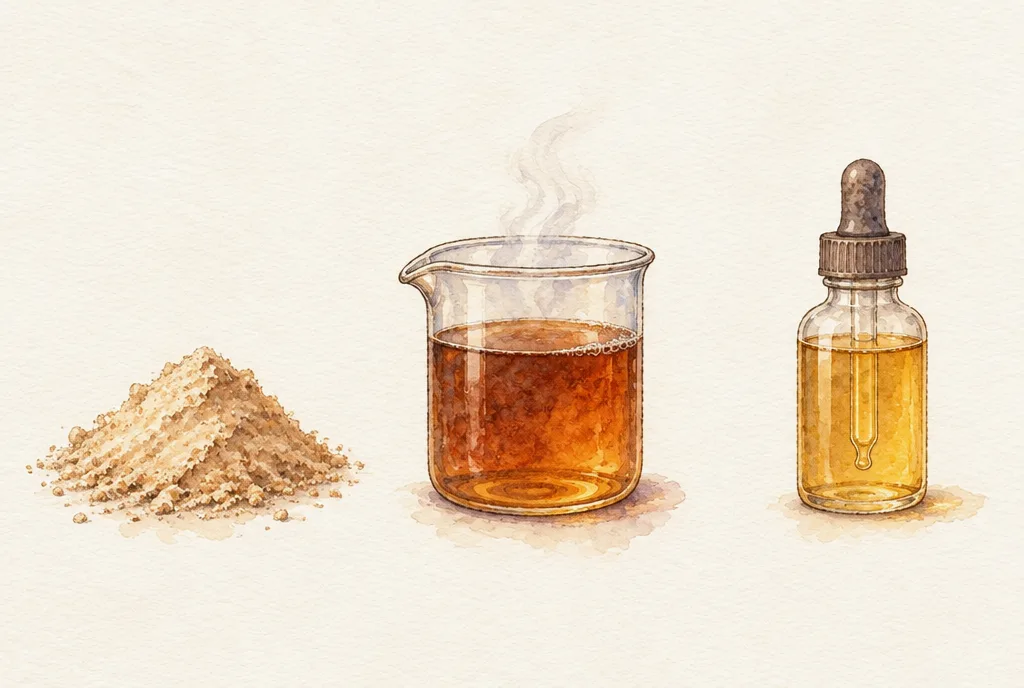
Extraction selects material. My starting question is what we want to keep.
| Form | Main features | Applications I would investigate | Manufacturing questions |
|---|---|---|---|
| Finely milled fungal material | Retains cell-wall fibre, proteins and a wider mixture of constituents | Shiitake lipid nutrition; maitake/oyster fibre comparisons | Tissue identity, thermal processing, particle size and tolerance |
| Hot-water extract | Selects water-soluble polysaccharides and soluble small molecules | Reishi/turkey-tail gut work and tremella fractions | Composition of extract and residue, recovery and drying behaviour |
| Ethanol or combined extraction | Selects particular secondary metabolites and any defined water fraction included | Triterpene or lion’s mane chemistry projects | Target-compound recovery, residual solvent and feeding safety |
The tissue matters too: fruiting body, mycelium and chaga conk material need their own specifications.
Oyster-mushroom studies have separated different polysaccharides through cold-water, hot-water and alkaline extraction. Another paper reported higher yield with a particular acid process. This is a useful reminder to understand the fraction, rather than choose a process by yield alone. [20] [21]
In my own production work, I have seen a substantial difference between beta-glucan results for C. militaris raw material and its hot-water extract. The way to understand that is a material balance: comparable raw material, dry masses, extract, insoluble residue and a consistent test method.
Fine powder makes sense when fibre and whole-material composition are part of the objective. An extract makes sense when its selected components and handling suit the application. Carriers also have practical roles in drying and formulation. I want the type, quantity and reason for using them disclosed.
Read the test result with the serving amount
For beta-glucan, I ask for the method, version, reporting basis and batch number. Megazyme’s K-YBGL procedure has changed, including updates addressing trehalose and complex matrices. Those details affect comparisons. [25]
Target compounds such as hericenones, erinacines, ganoderic acids and cordycepin need their own measurements. The same applies when evaluating the identity of a PSP or PSK preparation.
Here is a simple label calculation: a 1 g serving at 20% beta-glucan contains 200 mg of measured beta-glucan. The serving amount and the material to which that percentage applies both belong beside the headline number. This example illustrates the calculation; a suitable intake depends on the product and animal.
5. What I would ask before buying
| Question | Information I want | What it helps me judge |
|---|---|---|
| What is the ingredient? | Scientific name, fungal tissue/culture material and preparation | Its identity and relationship to the research |
| How much reaches the pet each day? | Serving mass and relevant ingredient/marker amounts | Actual intake |
| Which study supports the purpose? | A direct link, species, design, preparation and outcome | Whether the claim matches the evidence |
| How does this formula relate to the study? | Differences in components and preparation | How useful the comparison is |
| What testing is available? | Batch-matched COA, methods and relevant safety tests | Composition and quality control |
| What else is added? | Carriers, flavours, sweeteners and solvents where relevant | The whole formulation |
| Is it suitable for my animal? | Species-specific instructions and clear exclusions | Fit with the pet’s health and diet |
| Can the brand explain its claims? | Specific answers and a contact route | The quality of its reasoning and transparency |
I would start with a clear purpose, the pet’s existing diet and its veterinary history. If introducing a suitable new product, keeping a record of the batch, amount, appetite, stool and behaviour makes changes easier to understand. Adding several new supplements at once makes that much harder.
The main diet still comes first. A topper or supplement sits alongside the nutritional adequacy of the complete diet. [29]
6. Safety questions that affect my choices
Chaga comes low on my development list, particularly for cats. A human case report linked prolonged chaga-powder use with oxalate nephropathy and found very high oxalate in the tested material. I want oxalate testing and exposure assessment before considering a pet product, especially where kidney disease or urinary-stone risk is relevant. [26]
Pets receiving chemotherapy, immunosuppressants or anticoagulants need veterinary review before mushroom supplementation. Human clinical information on reishi flags potential bleeding and medicine interactions. For pregnant or lactating animals, very young animals and pets with chronic disease, the formulation and veterinary history need individual attention. [27]
The rest of the formula matters. Xylitol is toxic to dogs: suspected ingestion calls for immediate veterinary advice. Human gummies and liquids can contain ingredients unsuitable for pets. Ethanol, essential oils and other additives also need species-specific assessment. [28]
For concentrated compounds and high-cordycepin preparations, my first work would be composition and feeding safety. I would not set a pet intake by simply scaling down a human or mouse dose.
7. What the market already offers
These brands are useful examples of different formats and ways of presenting information.
| Brand | What interests me | Source |
|---|---|---|
| Real Mushrooms | Dedicated pet formats and cat-specific positioning, including Functional Feline | Pet collection |
| MycoDog | Liquid mushroom formulations and public batch COAs | Website and COA page |
| Standard Process Veterinary Formulas | Mushroom Complex and its published blend research | Product page, dog study and cat study |
The links take readers to current ingredients, packaging and product photos. These examples show how brands approach the category; I have not independently audited their ranges.
The broader functional-pet-food market also has active innovation across food and treat formats. The 2026 analysis using Mintel GNPD is useful context for this trend, although it does not measure the mushroom segment separately. [30]
The opportunity I see is a clearly identified ingredient with a useful purpose, a transparent daily amount and convincing product data. Cat-specific work and comparisons of powder with extracts stand out to me. Clear composition and accessible testing should be part of the starting standard.
8. My development priorities
I want to begin with projects that produce interpretable results. Single ingredients make a sensible starting point; later blend work can build on them.
| Priority | Project | Ingredient route | First work |
|---|---|---|---|
| 1 | Gut nutrition in dogs and, separately, cats | Reishi/turkey-tail single water extracts; lion’s mane comparison | Composition, palatability, tolerance, stool and fermentation outcomes |
| 2 | Older-dog behaviour and cognition | Characterised lion’s mane preparations | Defined exposure, validated assessments and placebo-controlled work |
| 3 | Canine skin nutrition | Defined tremella polysaccharides | Feeding safety and objective skin-barrier measures |
| 4 | Canine lipid nutrition | Processed shiitake fruiting-body powder | Controlled lipid outcomes, intake, body condition and tolerance |
| 5 | Fibre and fermentation | Maitake/oyster powders versus extracts | Fibre fractions, fermentation and stool effects |
| 6 | Nucleoside-focused development | Defined C. militaris material | Target-compound assays and feeding safety |
| 7 | Fermented-mycelial nutrition | Strain-defined, liquid-fermented P. hepiali | Identity, biomass/broth composition and tolerance |
| Defer | Chaga, especially a feline launch | Safety assessment before formulation | Oxalate exposure and longer-term safety |
Three projects particularly interest me: a single-ingredient gut study, a lion’s mane project for older dogs, and tremella for canine skin nutrition.
For lion’s mane, I want fruiting-body preparations, mycelial preparations and ordinary water extracts compared properly. For tremella, I want the relevant acidic heteropolysaccharides characterised instead of building the specification around a generic beta-glucan target. The maitake powder comparison also stays on my list because it connects my own experience with a practical manufacturing question.
The ingredient dossier I want to build
| Information | Purpose |
|---|---|
| Species, strain, tissue and culture method | Establish ingredient identity |
| Process flow, dry-mass yield and residue records | Understand what processing selected |
| Beta-glucan, alpha-glucan and starch, using suitable methods | Reproducible compositional information |
| Soluble/insoluble fibre and polysaccharide fractions | Compare powder, wet-food and liquid applications |
| Target compounds and appropriate structural characterisation | Match the specification to the project |
| Added materials and quantities | Explain the delivered composition |
| Moisture, water activity, flow and stability | Establish processing suitability and shelf life |
| Risk-based contaminants and residues | Address metals, pesticides, microbes, mycotoxins, solvents and relevant source/market risks such as PAHs or ethylene-oxide-related residues |
| Palatability, intake and gastrointestinal tolerance | Establish practical feeding performance |
| Ingredient status and claims for the destination market | Prepare the route to market |
My sequence is identity and composition, safety and stability, veterinary-designed tolerance work, then controlled feeding studies with prespecified outcomes. Ethical review, animal welfare, statistical planning and reporting of adverse events belong in that process.
- 1Identity and composition
- 2Safety and stability
- 3Veterinary-designed tolerance work
- 4Controlled feeding studiesWith prespecified outcomes
Initially, I would organise products by species, age, body size, diet and need. Breed can help define a study population, but a clear health assessment is more useful than a separate mushroom formula for every breed.
9. Before taking a product to market
The exact organism, preparation, process, intended use and destination market determine the regulatory questions. Human food history alone does not resolve feed eligibility.
In the EU, the first step is establishing the product category and the status of the ingredient. Regulation (EC) No 767/2009 governs relevant feed labelling and claims; disease-treatment claims generally fall outside ordinary feed claims, subject to the applicable framework and exceptions. [31]
In the United States, FDA explains that express or implied disease claims and certain non-food structure/function claims can establish an intended use as a new animal drug. [32]
For complete diets, I also want the current FEDIAF nutritional guidance considered alongside ingredient eligibility, hygiene, labelling, contaminants and import requirements. These details belong in the product plan from the beginning. [29]
What I want to contribute
My contribution to this field starts with knowing the material: how it was grown, what part was used, what processing retained, and what the tests actually measured. That knowledge helps turn an interesting mushroom into a product worth studying and a label someone can understand.
I am particularly interested in gut nutrition, lion’s mane for older dogs, shiitake powder and tremella. I also want to see whole-material powders given a fair comparison with extracts. Good development should help us choose between them.
For pet owners, my advice is to ask specific questions and look for specific answers. A brand that explains the ingredient, intake, research and quality control gives you something useful to judge.
A note on use
This article is my reading of the research and my perspective as a mushroom-ingredient manufacturer. It covers ten ingredient groups through 6 November 2026. Study populations and preparations are identified in the tables. Personal observations and development plans appear in my own voice. For an animal with disease, medication or special nutritional needs, discuss a new supplement with its veterinarian and continue prescribed care and an appropriate complete diet.
References and direct reading links
32 sources · tap to open
Pet studies
[1] Cimino Brown D, Reetz J. 2012. Single agent polysaccharopeptide delays metastases and improves survival in naturally occurring hemangiosarcoma. Evidence-Based Complementary and Alternative Medicine, 384301. Dog pilot study. View source
[2] Gedney A et al. 2022. Evaluation of the anti-tumour activity of Coriolus versicolor polysaccharopeptide (I’m-Yunity) alone or in combination with doxorubicin for canine splenic hemangiosarcoma. Veterinary and Comparative Oncology, 20:688–696. View source
[3] Kayser E et al. 2024. Functional properties of Ganoderma lucidum supplementation in canine nutrition. Journal of Animal Science, 102:skae051. View source
[4] Cho HW et al. 2022. Gut microbiota profiling in aged dogs after feeding pet food contained Hericium erinaceus. Journal of Animal Science and Technology, 64:937–949. View source
[5] Cevik C, Ercan AM, Or ME. 2025. Multimodal assessment of Hericium erinaceus and Valeriana officinalis for canine anxiety: Integrating EEG, neurochemical analysis, and behavioral surveys. Journal of Veterinary Behavior, 80:57–68. View source
[6] 2026. The Chronic Metabolic Fingerprint of Canine Anxiety: Hair Trace Element Dyshomeostasis and the Dissociation of Behavioral Recovery via Hericium erinaceus. Biological Trace Element Research. Exploratory canine study. View source
[7] Griessmayr PC et al. 2007. Mushroom-derived maitake PETfraction as single agent for the treatment of lymphoma in dogs. Journal of Veterinary Internal Medicine, 21:1409–1412. View source
[8] Atuahene D et al. 2023. A Supplement with Bromelain, Lentinula edodes, and Quercetin: Antioxidant Capacity and Effects on Morphofunctional and Fecal Parameters (Calprotectin, Cortisol, and Intestinal Fermentation Products) in Kennel Dogs. Veterinary Sciences, 10:486. Read with the 2024 correction. View source
[9] Wang TL et al. 2026. Effects of a mushroom-based β-glucan and bovine colostrum blend on the gastrointestinal health and immune function of healthy adult dogs. Journal of Animal Science, 104:skag312. View source
[10] Broughton MG et al. 2026. Effects of a mushroom-based β-glucan blend on the gastrointestinal health and immune function of healthy adult cats. Journal of Animal Science, 104:skag259. View source
[11] Atuahene D et al. 2024. The Canine Gut Health: The Impact of a New Feed Supplement on Microbiota Composition. Animals, 14:1189. View source
[12] Kusaba A, Arai T. 2024. Shiitake mushroom powder supplementation increase antioxidative activity in dogs. Frontiers in Veterinary Science, 11:1355560. View source
[13] Jung EG, Hwangbo S. 2025. Effects of Isulsongi mushroom (Lentinula edodes GNA01) supplementation on age-dependent blood lipid characteristics in dogs. Korean Journal of Agricultural Science, 52:653–661. View source
[14] Jung EG, Hwangbo S. 2026. Effects of Isulsongi mushroom (Lentinula edodes GNA01) supplementation level and feeding period on serum lipid profiles in dogs. Korean Journal of Agricultural Science, 53:75–84. View source
Ingredient identity chemistry and preclinical research
[15] Yang QY. 1997. Yun Zhi polysaccharopeptide (PSP) and the general aspects of its research. Fungal Science, 12:1–8; author-adapted online account. Historical PSP/PSK process description, not an audit of current manufacturers. View source
[16] 2019. Array of Metabolites in Italian Hericium erinaceus Mycelium, Primordium, and Sporophore. Analytical comparison of fungal tissues. View source
[17] 2025. Influences of substrate and tissue type on erinacine production and biosynthetic gene expression in Hericium erinaceus. Analytical/culture study. View source
[18] 2021. Prebiotic Effect of Maitake Extract on a Probiotic Consortium and Its Action after Microbial Fermentation on Colorectal Cell Lines. Foods. In vitro research, not a pet feeding trial. View source
[19] De Giani A et al. 2024. Positive modulation of a new reconstructed human gut microbiota by Maitake extract helpfully boosts the intestinal environment in vitro. PLOS ONE, 19:e0301822. View source
[20] Baeva E et al. 2019. Polysaccharides from Basidiocarps of Cultivating Mushroom Pleurotus ostreatus: Isolation and Structural Characterization. Molecules, 24:2740. View source
[21] Szwengiel A, Stachowiak B. 2016. Deproteinization of water-soluble ß-glucan during acid extraction from fruiting bodies of Pleurotus ostreatus mushrooms. Carbohydrate Polymers, 146:310–319. View source
[22] Yin C et al. 2018. Effects of Various Treatments on Extraction of the Main Bioactive Components and Determination of Biological Activity of Extracts from the Caterpillar Medicinal Mushroom Cordyceps militaris (Ascomycetes). International Journal of Medicinal Mushrooms, 20:873–885. View source
[23] 2021. Cryptic Diversity of Isaria-like Species in Guizhou, China. Taxonomic study discussing Samsoniella hepiali. View source
[24] Xie L et al. 2022. Tremella fuciformis polysaccharides alleviate induced atopic dermatitis in mice by regulating immune response and gut microbiota. Frontiers in Pharmacology, 13:944801. Mouse model, not a canine trial. View source
Testing safety nutrition market context and regulation
[25] Megazyme by Neogen. K-YBGL β-Glucan Assay Kit (Yeast and Mushroom), current product information and linked instructions. See also the trehalase update and 2025 method-update notice. View source
[26] Lee S et al. 2020. Development of End Stage Renal Disease after Long-Term Ingestion of Chaga Mushroom: Case Report and Review of Literature. Journal of Korean Medical Science, 35:e122. Human safety report. View source
[27] Memorial Sloan Kettering Cancer Center. Reishi Mushroom. Human clinical information and interaction cautions; not a canine/feline risk estimate. View source
[28] US Food and Drug Administration. Paws Off Xylitol; It’s Dangerous for Dogs. View source
[29] FEDIAF. Nutritional Guidelines. Current guideline access page for complete and complementary pet food for cats and dogs. View source
[30] 2026. Advances in Functional Pet Food Research: Health-Driven Ingredients, Nutritional Targets and Evidence-Based Claims. Animals, 16:1222. Includes broader pet-food launch analysis, not mushroom-market sizing. View source
[31] European Union. Regulation (EC) No 767/2009 on the placing on the market and use of feed; particularly labelling and claims provisions. Consult the current consolidated text and applicable related rules. View source
[32] US Food and Drug Administration. Animal Food Labeling and Pet Food Claims. View source
More from Yi Loves Mushroom
-
 Does Lion’s Mane Need to Be Extracted?
-
 What is really in a Lion’s Mane extract
-
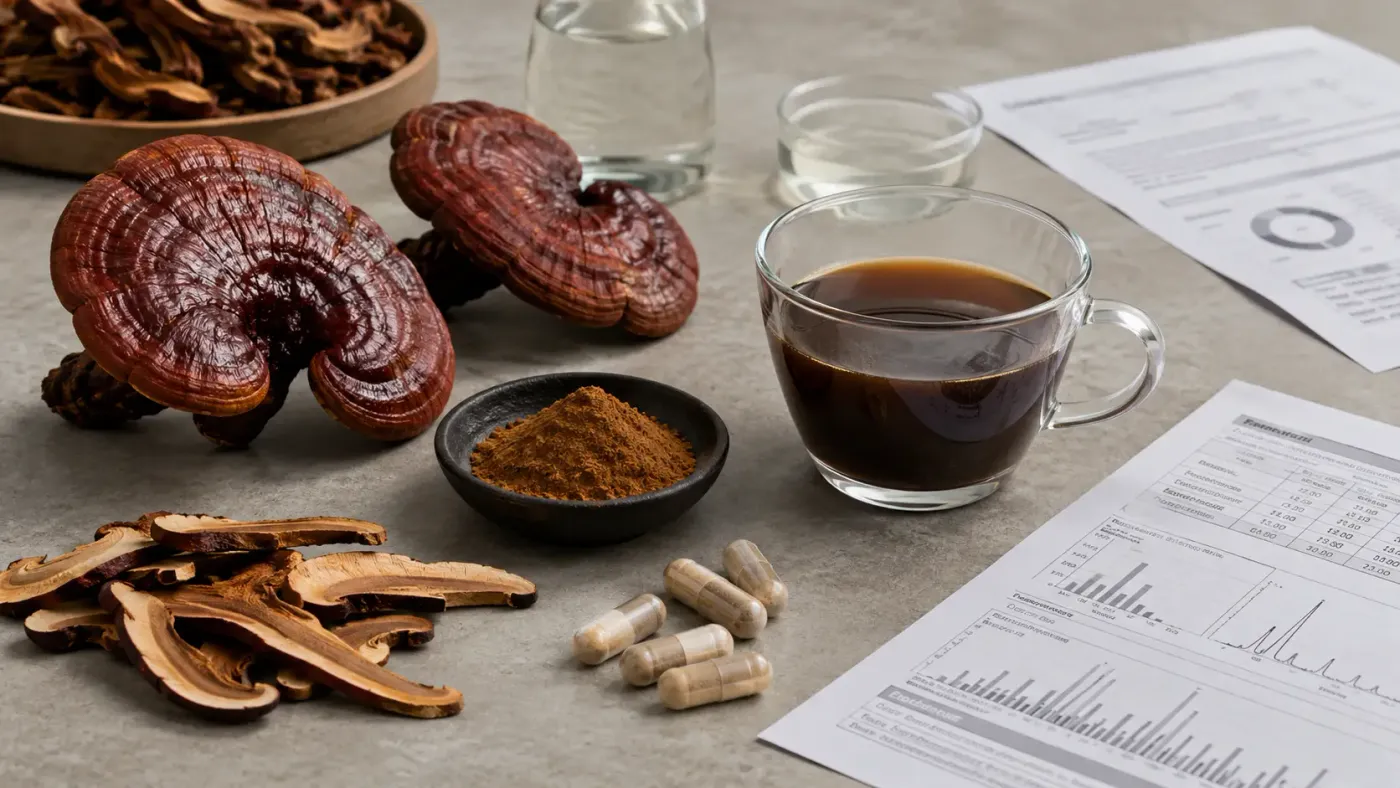 Understanding Reishi product forms Is the first step before reading the label
-
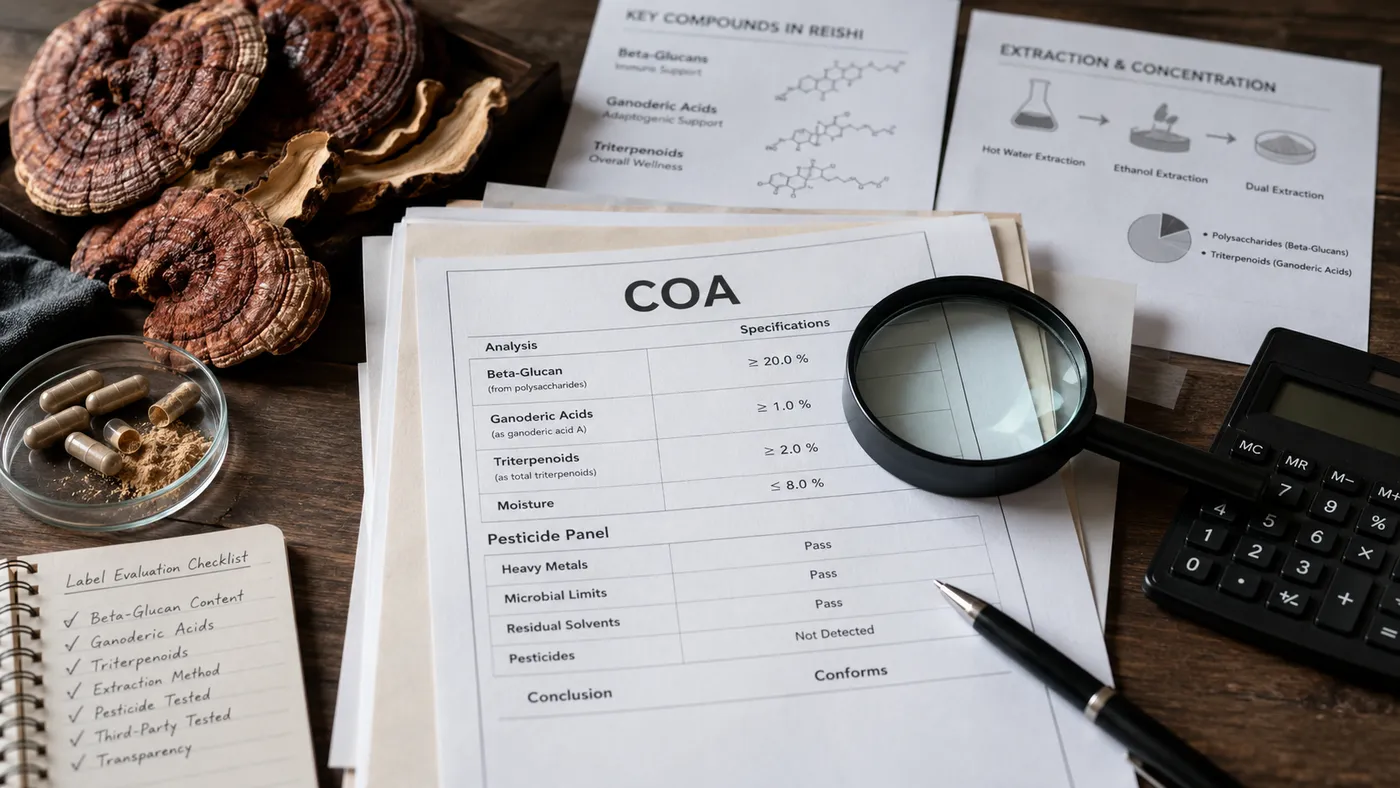 Reading a reishi label is not the same as understanding the product
-
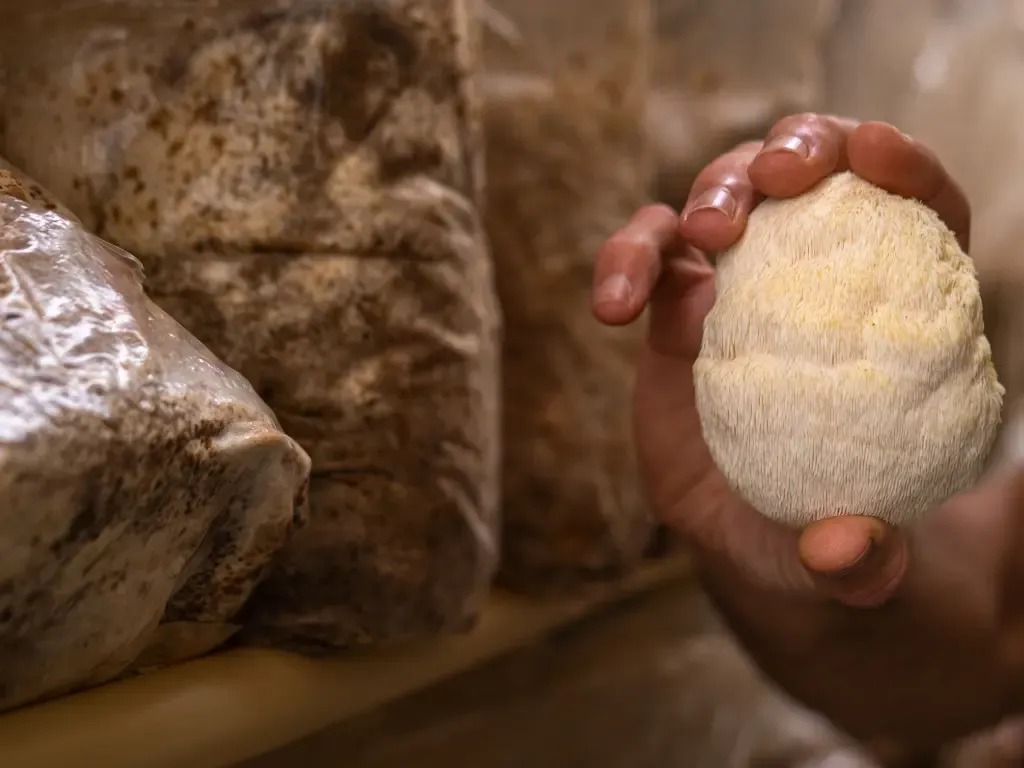 Lion’s Mane for mood, cognition and healthy ageing
-
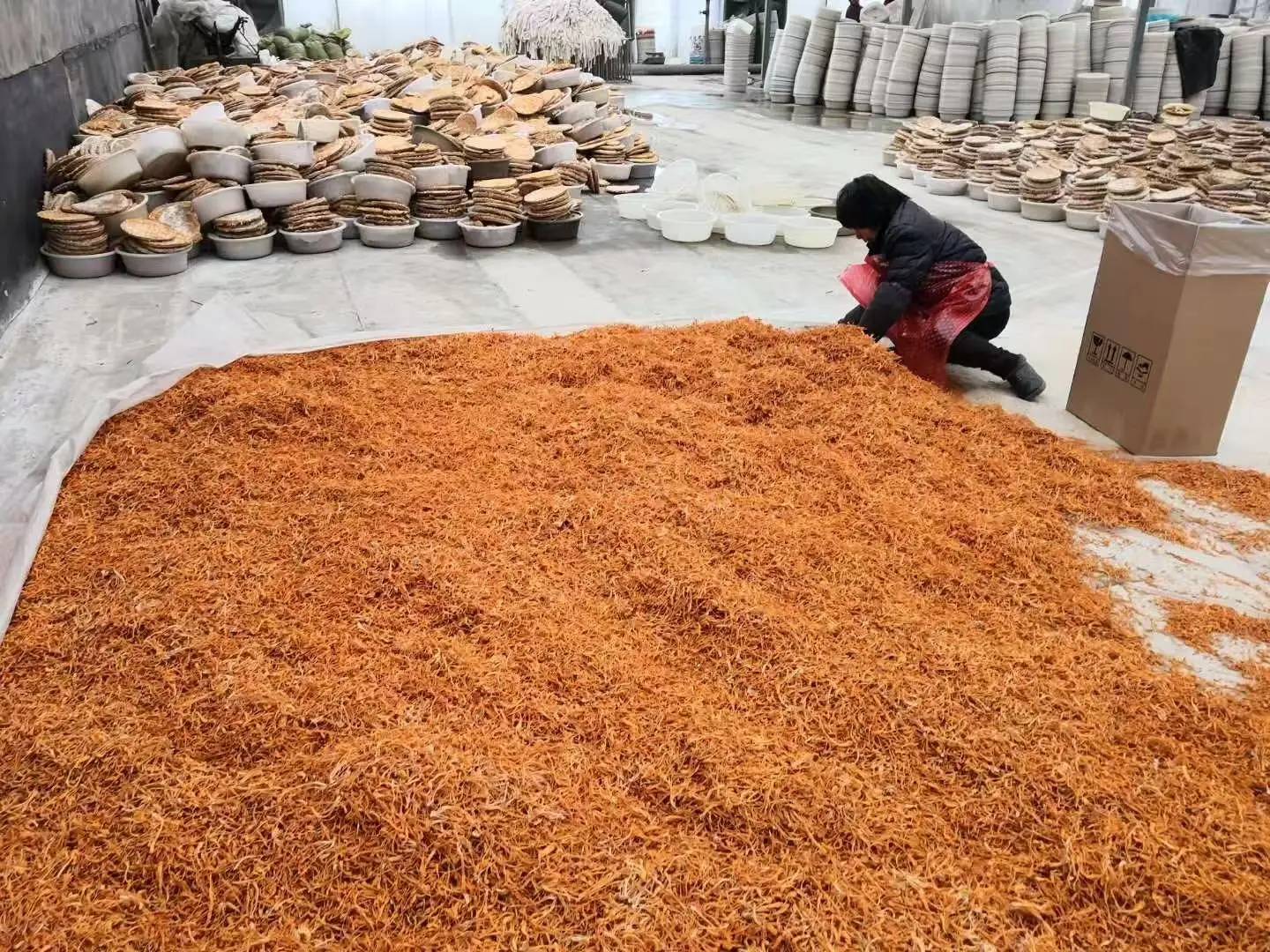 How to Read Cordyceps Labels in Europe